
Brisbane collection • Central Coast New South Wales • Exact suburb and entrance
Brisbane to Central Coast NSW Removalists & Backloading
Give your Central Coast move an address and entrance the furniture service can assess. The Backloading Company can quote Brisbane household removals or backloading with the actual NSW suburb, property access and receiving help in view.

Useful service, location and planning links
Prepare the Brisbane to Central Coast enquiryBrisbane to Central Coast home moving and furniture transport
Brisbane to Central Coast home removals
List the household furniture, appliances, cartons and outdoor goods for the actual NSW address. Include packing, protection, loading, unloading or furniture tasks you want assessed.
Furniture backloads and smaller loads
Ask about compatible space using the goods, access and usable dates. Clarify consignment identification, intermediate handling and final receiving in the shared service offered for your enquiry.
Apartments, single pieces and office furniture
Restricted entrances and building instructions matter even for a small load. Provide dimensions, authorised contacts, extra addresses and assembly requests so the quote reflects the whole job.
A Central Coast move needs the actual NSW address
Start your Brisbane to Central Coast removal with the suburb, postcode and receiving property. The region's name does not describe the entrance a sofa will use or the point where a desk is to finish. Bring The Backloading Company the actual New South Wales destination so the household or backloading quote can be assessed with its property access in view.
Identify whether the home is in Gosford, Wyong, Terrigal, Woy Woy or another locality, and provide the exact address. A separate family delivery, workspace or surrounding-area destination needs its own brief. Each proposed stop is assessed individually. Avoid replacing an uncertain property with a broad regional label and expecting it to explain the final furniture handling.
This is an interstate move from Queensland to New South Wales. Your Brisbane collection address and Central Coast receiving address have separate access and availability. Describe the complete household, selected furniture or apartment contents being moved. The office can then consider the work behind the two locations rather than only the corridor name.
Connect the approach, entrance and receiving rooms
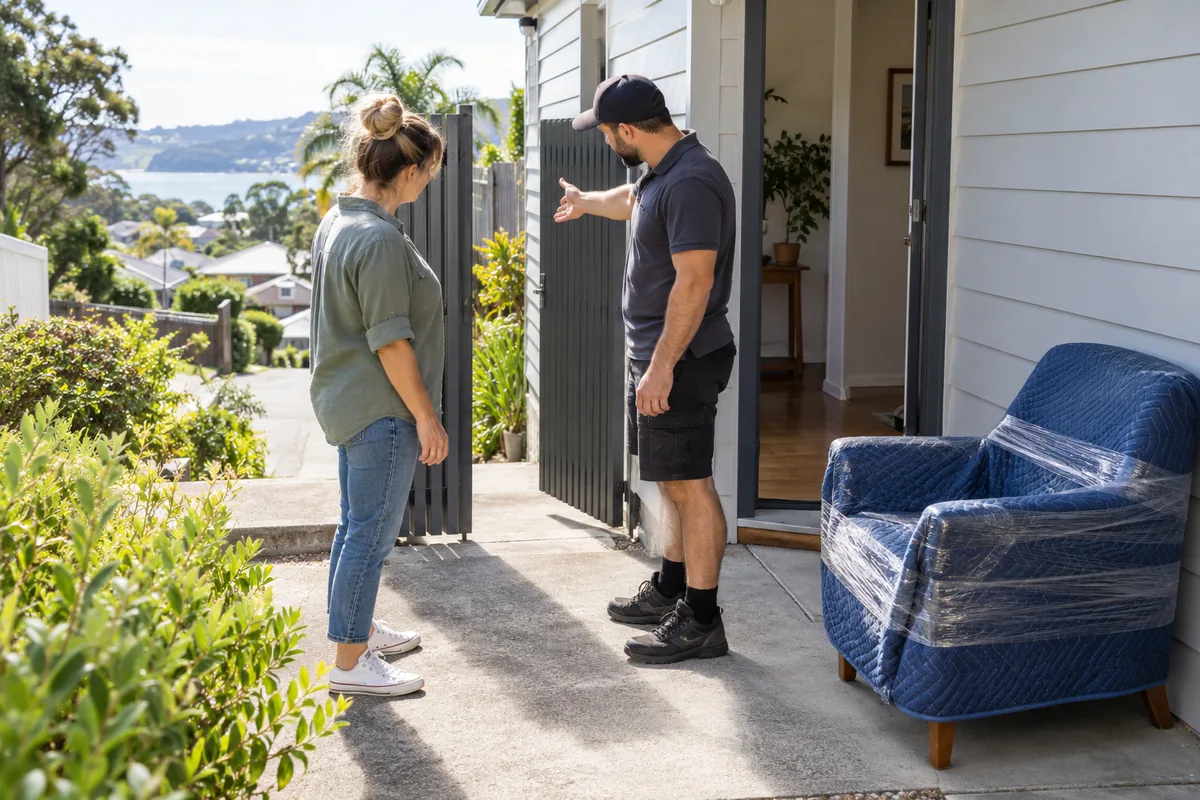
Use a sequence of property views: the street or driveway approach, gate or building entrance, carrying path and doorway to the intended rooms. Note surfaces, steps, clearance, restricted turns and distance from the proposed vehicle position. Explain which furniture destination uses each path. The receiving plan should be practical for the actual pieces you want delivered.
A side entrance may offer a different path from the front door, but its suitability still needs assessment. Measure the gate and narrow sections, show steps or thresholds and explain any private permission needed. Do not assume an entrance can be used simply because it is unlocked or looks wider in a photograph. Give the provider enough connected information to consider it.
For an unseen rental, request current access views from the responsible property contact. Listing photographs can help you recognise a room but may not show driveway clearance, gates or a service entrance. State what is still unknown and avoid supplying guessed measurements as confirmed facts. Update the office once the entrance has been checked, particularly if property work or occupied areas have changed the path shown in an earlier image.
Check substantial furniture against the restrictions
Supply dimensions and photographs for a large lounge, wardrobe, mattress or desk. Put them beside measurements of relevant doors and internal turns. For stairs, show landings and clearance at the top and bottom. Furniture movers need to evaluate the piece and the complete route into the room, not just a front-door width on its own.
Identify removable parts and ask whether dismantling is appropriate. Confirm the preparation and reassembly requested, with fittings and instructions linked to the furniture reference. Explain previous repairs or structural concerns. A furniture entrance assessment is more useful when those features are known before a piece is packed or taken apart.
Show the driveway beyond a passenger-car view
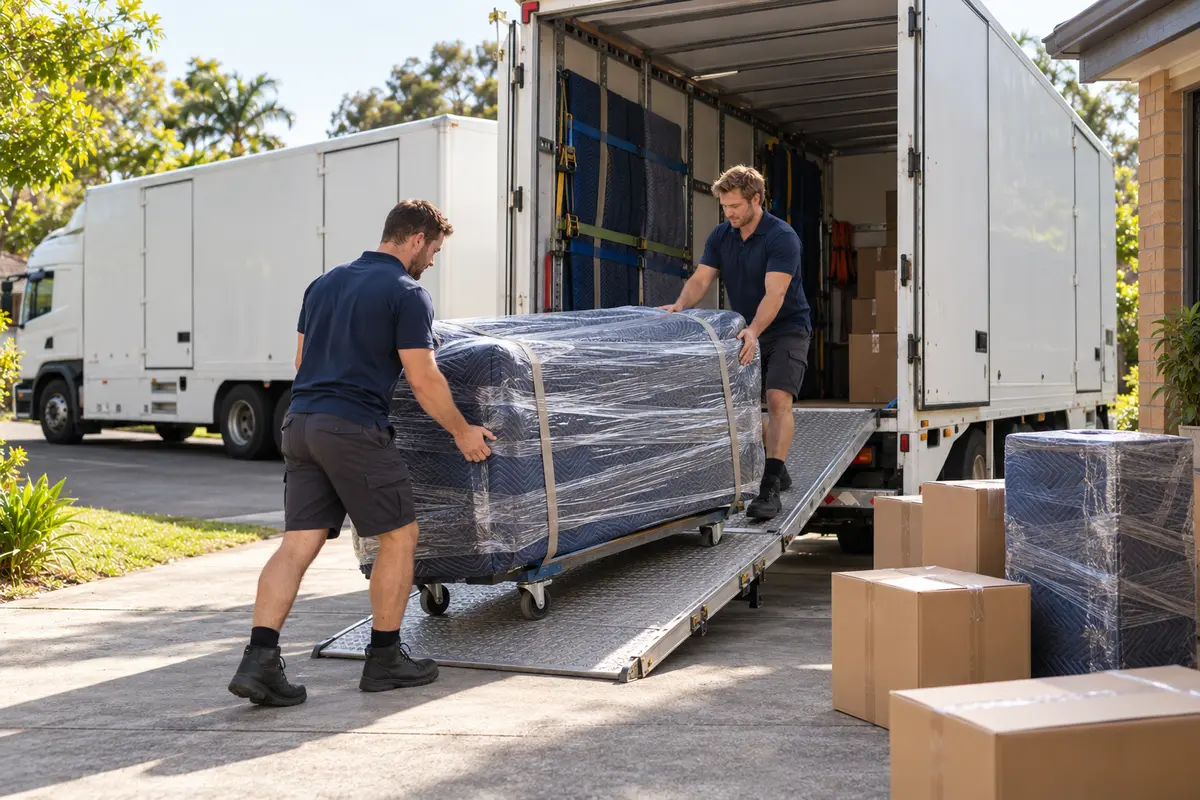
Photograph its surface, width, slope and turning space, with gates and overhead clearance visible. Tell the provider about shared access, occupied spaces or property work that affects the approach. Ask for an assessment of the vehicle arrangement rather than promising that a furniture truck can enter because a car can reach the home.
If goods are going to a detached workspace, garage or outdoor area, show that route too. Identify the final point of placement in the inventory. A house can have several different carrying paths without involving another address, and those paths belong in the service brief when they change receiving work.
Obtain apartment instructions before relying on a reservation
Ask the responsible building contact about the intended furniture entrance, lawful loading access, lift or stair details and moving instructions. Establish any usable hours or reservation requirements. Explain fixed restrictions to the office while requesting the quote, then coordinate the reservation with the furniture window actually offered.
Give lift door and interior measurements where available and show turns between the entrance, lift and unit. Identify a large piece that may not use the proposed route. Describe an alternative for assessment without assuming it is available. The existence of a lift does not settle the handling of every item in an apartment consignment.
Keep street access and private entry distinct
Check current signs and official NSW parking guidance for the proposed vehicle position. Obtain private access instructions from the building or owner separately. If the proposed use of road space needs clarification, discuss it with the responsible authority and supply the resulting arrangements to the provider. Avoid presuming a universal permit requirement or exemption for every furniture move.
A private moving reservation does not by itself reserve a street position. A street loading opportunity does not unlock the building's service door or admit the receiver. Explain the contact, keys or other authorised access arrangement that makes the receiving path usable. Keep sensitive entrance information with the appropriate parties rather than on publicly visible carton labels.
Prepare the Brisbane household for that destination
List furniture, appliances and cartons, then check balcony goods, outdoor cupboards, garage contents and stored possessions. Use item descriptions and quantities the household can recognise, with dimensions for difficult pieces. Estimate carton totals during packing and update them when ready. The final list should reflect the goods released in Brisbane and received in NSW.
For a downsizing move, decide what fits the receiving rooms and which pieces are gifted, sold or stored. Separate privately collected goods from the furniture service. If another address is requested for family furniture or a seller pickup, give its load, access, contact and usable period. A smaller home can still involve additional handling stages or stops.
Describe the collection carrying path
Provide the Brisbane release property, lawful proposed truck position and route from each room or storage area. Include stairs, lifts, gates, shared driveways and carrying distance. Obtain current moving instructions for a managed building and report fixed release hours. The two properties should be assessed together even when only one has a restricted entrance.
Keep the releasing contact informed about the final inventory and furniture tasks requested. Let the office know when a purchase, sale or destination decision changes the load. Give the receiver the same revised version so they are not following an earlier household plan. An extra piece or new address may need reassessment before it joins the accepted arrangement.
Allocate packing, furniture work and unpacking explicitly
Describe the preparation you can complete and the professional help wanted. Kitchen fragiles, artwork, glazed furniture and upholstery can have different requirements. Ask what labour, materials and protection the offer includes for the particular goods. A fragile label communicates a handling need but does not replace suitable packing or a sound carton.
Use manageable carton weights and consistent references, with room destinations that match the inventory. Keep a private contents list if useful. Take condition photographs before coverings hide furniture features. Explain loose shelves, glass panels, delicate finishes or existing marks so the provider can consider their preparation and the household retains an identifiable record.
Consider the home office as a furniture group
Give desk, shelving, chair and cabinet details separately from essential work equipment or records. Identify commercial collection hours or an additional workspace if relevant. Ask about dismantling, reassembly and placement where wanted, then arrange operational setup independently of the furniture timetable. The quote should show the furniture work requested rather than an undefined promise to set up a whole office.
For appliances, follow manufacturer guidance and the accepted handling instructions, with separate professional disconnecting or installation arranged where needed. Include loose accessories and preparation status. Report any task that will remain unfinished before collection so it can be assessed alongside the offered service.
Specify unpacking by its actual scope: selected cartons, fragile objects or help in agreed rooms. Ask whether materials removal is offered. The receiver can then prepare the relevant space and the household can arrange what remains. Keep carrying paths usable while handling and unpacking work is taking place.
Match a backload to the inventory and usable windows
Brisbane to Central Coast backloading considers compatible furniture space, potentially alongside other separately identified consignments. Supply the goods, preparation, access and dates. Ask how the proposal records and protects the load, deals with any transfer or holding and completes final receiving. Acceptance and availability are confirmed for the actual enquiry.
Return loads and shared capacity are possibilities to discuss rather than a published timetable. Give an honest range of usable collection and receiving periods, with fixed key or building obligations identified. Flexibility can help the office consider an arrangement without guaranteeing space or a lower price. The written offer explains the commitments relevant to your furniture.
Small loads still require workable access
A single armchair, family cabinet or selected office furniture group needs dimensions and authorised contacts at both ends. Explain a seller appointment, difficult exit or requested assembly as part of the job. Ask about the full handling and any minimum charge. A compact consignment does not remove a restricted doorway or building reservation from the assessment.
Where a dedicated arrangement is also offered, compare its scope and windows against the same brief. Examine preparation, loading, furniture transport and unloading rather than choosing from the arrangement's name alone. Both options need the actual receiving address and furniture tasks to be clear in the proposal.
Read moving costs against the complete property brief
The load, labour, access, dates and requested support help explain the service being priced. Compare one current inventory and the same approach information when reviewing removalists or affordable options. Include packing materials, dismantling, reassembly, extra stops, storage and redelivery where wanted. Ask how changes would be reviewed if the goods or entrance differ from the original enquiry.
Discuss loss or damage cover using its relevant terms and proposed handling stages. Identify valuable or unusual items and retain condition records. If insurance is arranged separately, check its wording with the insurer. Ask about a particular holding or transfer stage rather than relying on a general statement about transport cover.
If keys, a room or building access become unavailable, notify the office and responsible property contact promptly. Request storage and later delivery where needed, with the proposed location, item record, access, release authority and charges explained. Include extra handling and the later receiving plan. Identify any pieces required at interim accommodation separately.
Give the receiver an appointment they can carry out
Nominate someone with permission to enter, current access information and the ability to direct placement. Supply keys, the final inventory, a room plan and the office contact. Write their availability in Central Coast local time: during NSW daylight saving the destination is one hour ahead of Brisbane, while outside that period they share standard time.
Carry personal essentials and first-night supplies under separate arrangements and plan household travel around the accepted windows. At receiving, review the delivered record and visible condition and report a concern promptly through the provider's process. Recheck Queensland and NSW traffic information near moving time and keep property changes in the current brief. Get your Brisbane to Central Coast NSW quote with The Backloading Company using the actual address and a practical plan from the vehicle approach to the final room.
Bring these details to your Brisbane to Central Coast quote
Use the detailed inventory form when you can describe the goods and properties. The shorter enquiry can start the conversation while arrangements remain open. Explain what is confirmed and what needs further discussion.
The consignment
Furniture, appliances, cartons, garage and outdoor goods, with dimensions and preparation needs.
Brisbane collection
Exact property, complete carrying path, releasing contact and usable collection period.
Central Coast receiving
Destination address and state, entrance, keys, furniture placement and authorised contact.
Support and commitments
Packing, handling, furniture tasks, extra stops, storage and separate usable delivery windows.
Current official information for your moving decisions
Check current road information and the relevant council access guidance. Ask the responsible authority about any proposed use of road space that needs assessment; obtain private building instructions separately. The enquiry does not establish a permit requirement for every move.
- Current Queensland road information
- Live Traffic NSW
- Official NSW parking guidance
- Official time-zone reference
- NSW removalist consumer guidance
Planning resources checked 13 October 2026. Recheck relevant conditions before your move.
Brisbane to Central Coast moving questions
Which Central Coast does this page cover?
This page covers the Central Coast in New South Wales. Give the actual suburb, postcode and address in the enquiry. A regional name alone does not establish the receiving approach, property access or coverage for an additional locality.
How should I show a side entrance or narrow carrying path?
Photograph the vehicle approach, gate, path, doorway and internal turns in connected views. Measure restrictions and provide dimensions for large furniture. Ask the removalist to assess the proposed handling before relying on a particular entrance.
What do I need for an apartment receiving plan?
Get the intended entrance, lawful loading access, lift or stair details, moving instructions and reservation needs from the building. Discuss fixed restrictions with the office and coordinate them with the offered delivery window.
Can I request a Brisbane to Central Coast backload?
Supply the load, preparation, both access paths and usable windows so compatible capacity can be considered. Ask how identification, protection, handling stages and final receiving are covered. Acceptance and availability are confirmed in the offer.
Does every furniture move need a road-occupancy licence?
Do not assume a universal requirement or exemption. Describe the proposed use of road space and check the current guidance with the responsible authority where needed. Private property access and building reservations are separate arrangements.
What changes the cost of Central Coast delivery?
Inventory, approach, carrying distance, stairs or lifts, dates and requested help shape the work. Packing, difficult pieces, extra addresses, assembly, storage and redelivery can add tasks. Compare offers using one current property and household brief.
How do I arrange receiving if I am still in Brisbane?
Nominate an authorised person with keys, current access instructions, the final inventory and room plan. Write their availability in Central Coast local time and discuss it with the delivery window offered. During NSW daylight saving the destination is one hour ahead of Brisbane.
Ready to prepare your Brisbane to Central Coast move?
Get your Brisbane to Central Coast moving quote with The Backloading Company. Bring the actual goods, properties and usable windows so the proposed service can reflect the help you need.